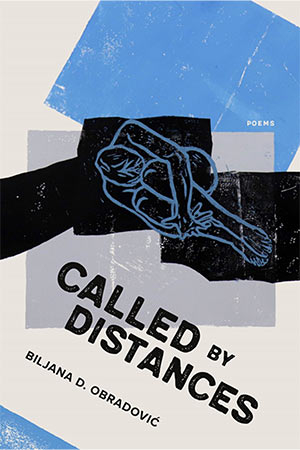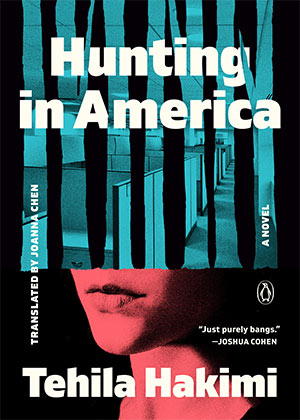

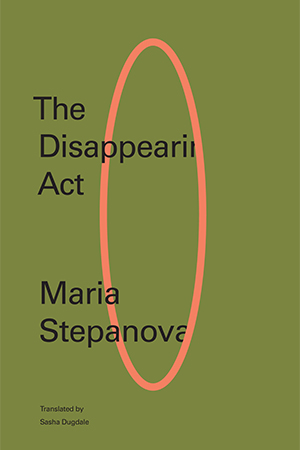
New Directions. 2026. 144 pages.
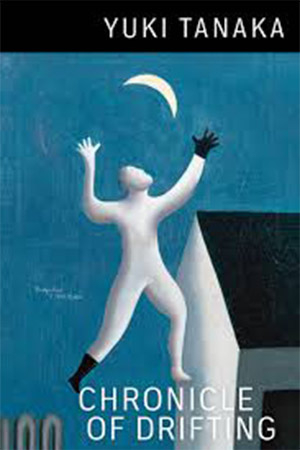
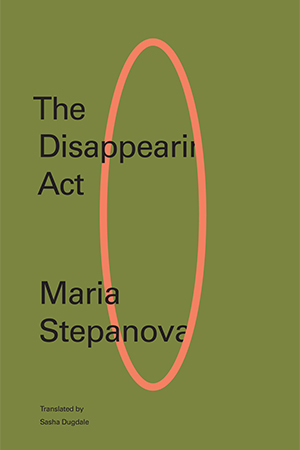
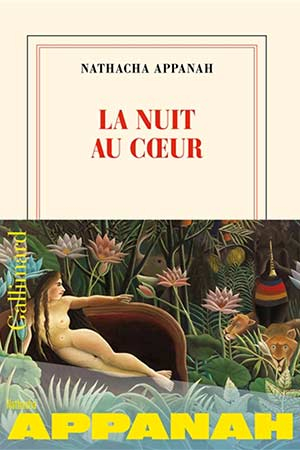
It’s pretty much the present, and your dependable critic K. here is writing this review of an intriguing short novel, written in lyrical, magnificently translated prose, about two days in the life of the novelist M. She is in some ways a double of the novel’s author, who is herself a prominent lyric poet and essayist. The protagonist M., like her author, is an exile from a country she describes as a “beast” or a “predator” that is “currently waging war against a neighboring country.” They both now reside in a peaceable European country that has been flooded with people fleeing both the aggressor and victim countries in question.
The fictional M. is journeying to appear at a literary festival, but her trip goes awry. She finds herself stranded in a town where she knows no one. Adventures befall her, at a meditative pace. Yet the novel’s real action unfolds in M.’s head, as she struggles with the existential implications of her condition. She is alienated from her language, which bears the marks of its misuse, “bruises, notches, embedded jags of metal,” even as she protests language’s innocence and calls attention to the guilt of people. Perhaps she is one of the guilty ones? And is she entirely a person? She suspects there may be something of the beast about herself.
All of which makes getting lost a felicitous turn of events: a chance to lose oneself as well. Losing herself, in a symbolic death and rebirth, is precisely where the story winds up, although we are left to doubt whether such an escape is really possible.
Meanwhile, K. here is writing this review on the day his own country has unleashed illegal military aggression against a neighboring one. The experience is all too familiar but seems even more awful—more portentous now. As I travel through a third, peaceable land, one not too far from that victim country, a hotel proprietor asks at breakfast: “and what it’s like to be a citizen of your country now?”
M.’s story, a book for today, speaks eloquently to our own experience, as great literature is supposed to do. Only a couple of letters of the alphabet separate K. from M.
Kevin M. F. Platt
University of Pennsylvania