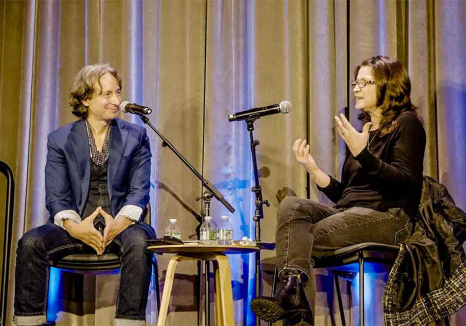
Patricio Ferrari interviews Albanian poet Luljeta Lleshanaku.



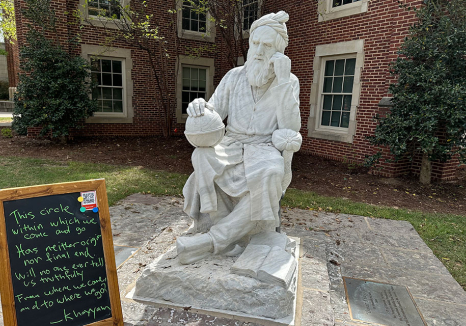
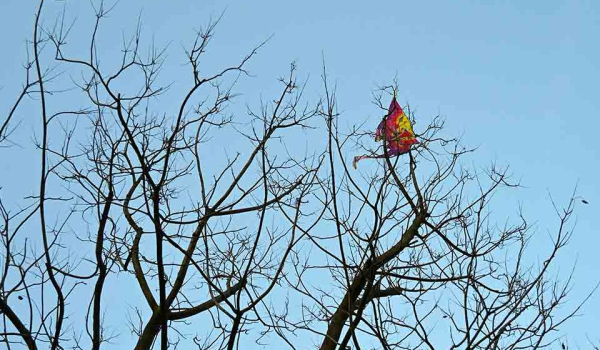
“It isn’t easy to be stationary, and mute, even though / my corner of the park is comfortable—a corner splotched / with the moving shadows of the years,” from “Park Bench,” by Radhika Oberoi
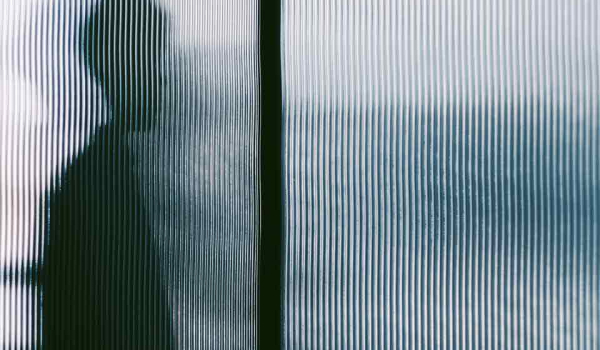
“The streets are growing empty / of human trappings, life’s color. / One after another, we pull back. / Nobody is calling out to me, / nobody is coming down the street,” from “I Am My Own ID,” by Mariam Meetra (trans. by Sabrina Nouri & Samantha Cosentino)
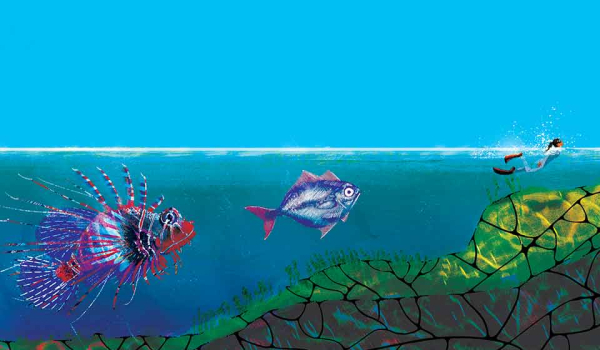
“There is a finite supply of oxygen / you can press into your lungs / when you dive under water; / a finite supply / when you sink into a poem,” from “Enter Depths,” by Dalia Taha (trans. by Sara Elkamel)
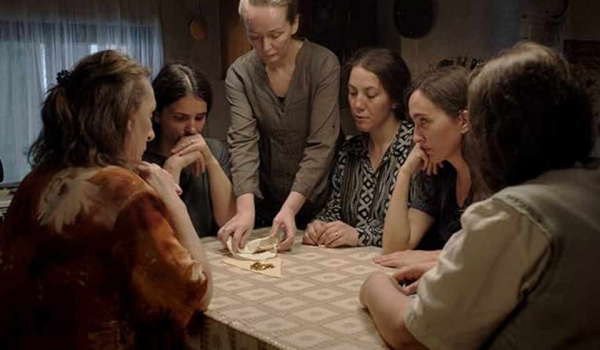
Kosovar filmmakers craft films that speak not only through the visual image and what is seen but perhaps even more powerfully through what remains unseen and unsaid. Eralda L. Lameborshi watches the films of Kosova and finds that this resistance to closure is a form of honesty about a society that is still living with unresolved loss.
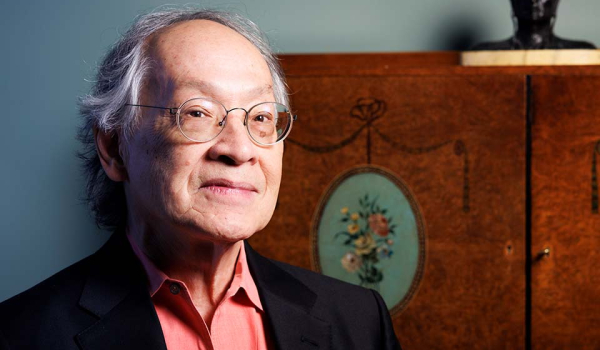
On December 11, 2025, Arthur Sze delivered his inaugural reading as the twenty-fifth Poet Laureate of the United States. The following is an excerpt from Sze’s latest book, Transient Worlds: On Translating Poetry, forthcoming in April 2026 from Copper Canyon.

Rematriation, a concept advanced by Lee Maracle (1950–2021), among other Indigenous women, is “the process of restoring lands and cultures, done with deep reverence to honor not only the past and present but also the future, and rooted in Indigenous law” (IndigiNews). Here, the authors relate their own rematriation work in Oklahoma, Iraq, and beyond.
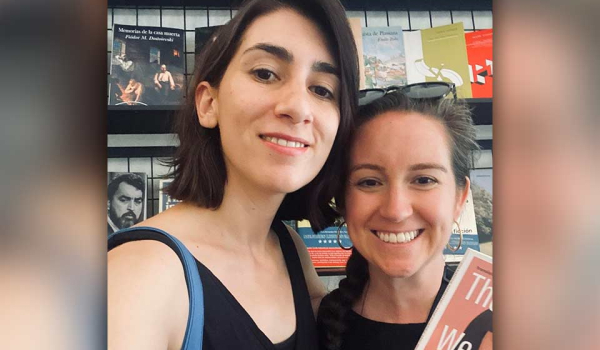
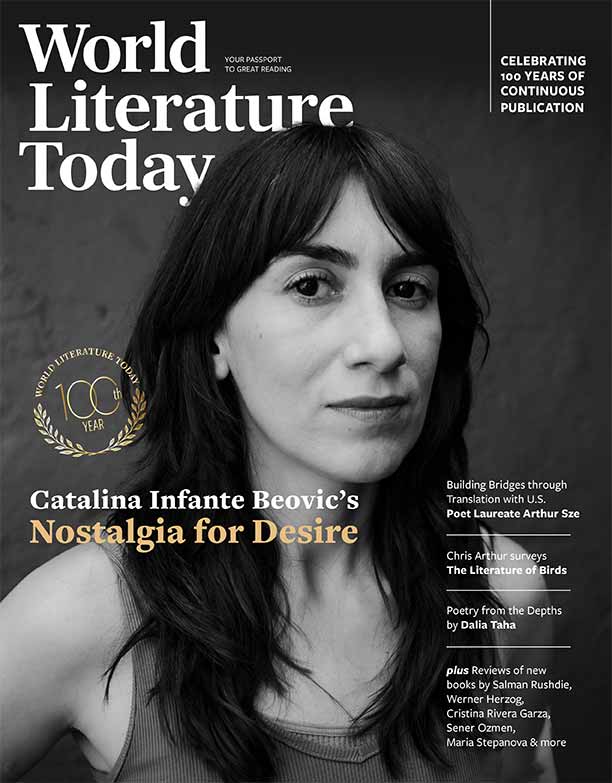
Translator Michelle Mirabella interviews Catalina Infante Beovic.

A mother, her daughters, and the age-old walls between them play out in this short story from Chile.

For a roundtable conversation devoted to Cherie Dimaline’s work that ended with the author gifting pieces of jewelry to the panelists, Kimberly Wieser-Weryackwe tied together themes of storytelling, Indigenous futurisms, and going home in Dimaline’s writing. The following is an adapted version of her talk.
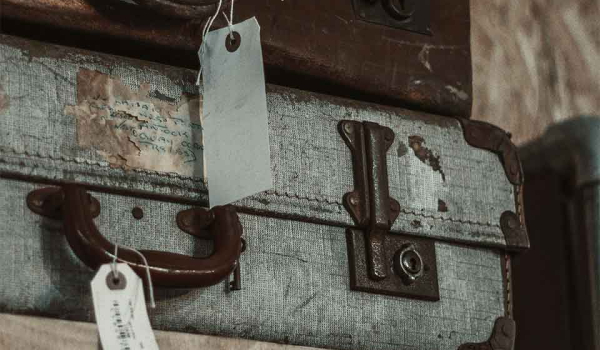
As the Bosnian War comes knocking on their doorstep, the Mandal family must flee their home. They’re allowed to bring only two suitcases with them. How will they fit their whole life into a combined weight of thirty kilos?
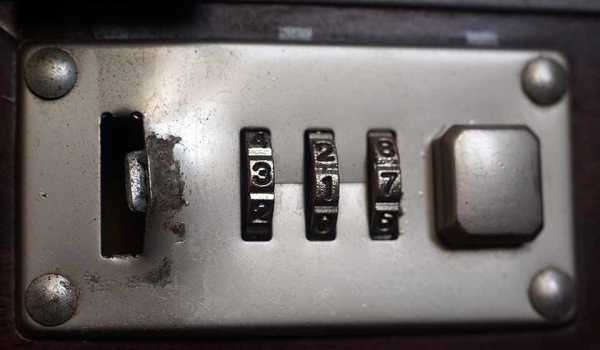
The suitcase smells, it’s unusable, but how can a daughter let go of her father’s suitcase, the very case he may have taken back to India on his first trip back after immigrating to the US?
A request for a red ribbon unlocks a long-held family secret.
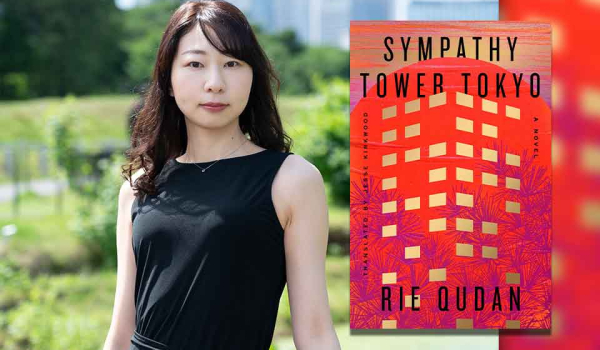
An interview with Rie Qudan, whose novel, Sympathy Tower Tokyo, won the Akutagawa Prize, Japan’s most prestigious literary award.
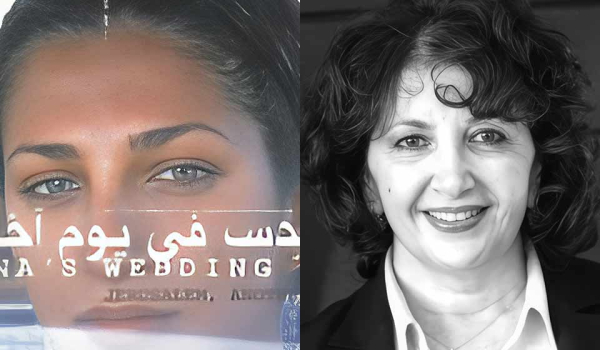
An interview with Liana Badr, renowned Palestinian writer, filmmaker, director, novelist, and poet. She is the author of one novella, three collections of short stories, six children’s books, a book of interviews, a book of poetry, and four novels, including A Compass for the Sunflower, A Balcony over the Fakihani, and The Eye of the Mirror. She has also written and directed seven films.

An mini-interview with Thomas Schlesser, whose book Mona's Eyes, follows a ten-year-old girl whose grandfather begins taking her on outings to museums in Paris when she begins to experience temporary loss of sight.