
Over a century ago, following World War I, the United States retreated into political isolationism, embodied in such policies as the Immigration Act of 1924; the mass deportations of the 1930s and 1950s; and the internment of Japanese, Italian, and German Americans during World War II. The co-author of the 1924 legislation, Congressman Albert Johnson—who espoused eugenics, anti-Semitism, and supported the KKK—feared that American culture was being infected by a “stream of alien blood” from Asia, Africa, and southern and eastern Europe (i.e., by nonwhites, Jews, Catholics, and a laundry list of others). The Red Summer of 1919, the rise of the KKK, and the Tulsa Race Massacre of 1921 were further signs of worsening racial violence and ethnic xenophobia, even as literary modernism was flourishing.
Against that mentality, Roy Temple House, a professor of French and German at the University of Oklahoma, knew very well that the cultural ferment happening in Paris, Berlin, and beyond ought to be better known in the US and might enlighten American readers. Dr. House wrote to William Bennett Bizzell, the university’s president, and proposed launching a literary periodical on the Southern Plains that might “begin fostering contributions to the scholarly and cultural activities of the nation” (Oct. 21, 1926). Although seemingly an unlikely place for an international literary publication, Oklahoma itself is a crossroads of cultures and translation: a palimpsest of Native nations, Spanish exploration, African American settlement, and white immigrants/settlers who believed Manifest Destiny entitled them to the land. Just twenty years after statehood, and with a startup budget of $150, House published a thirty-two-page pamphlet called Books Abroad in January 1927. Since then, and despite a few fits and starts along the way, the publication he helped launch has flourished for nearly a century, eventually under the name World Literature Today.
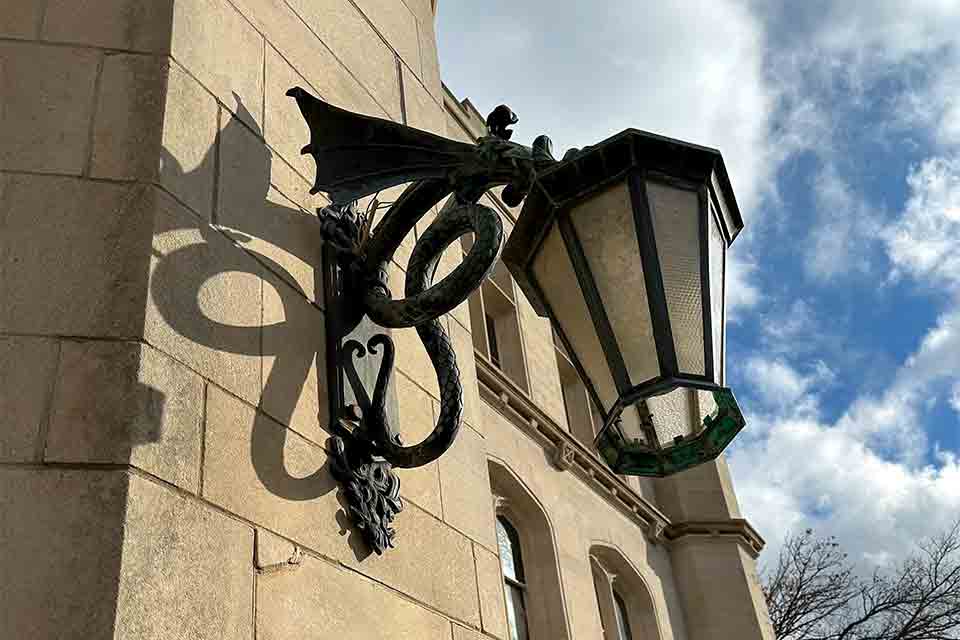
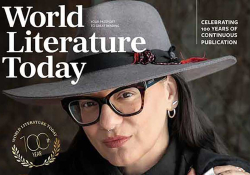
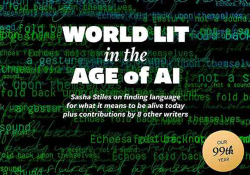
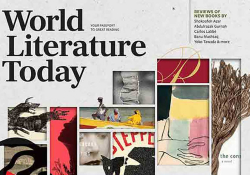
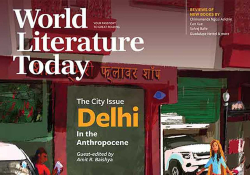
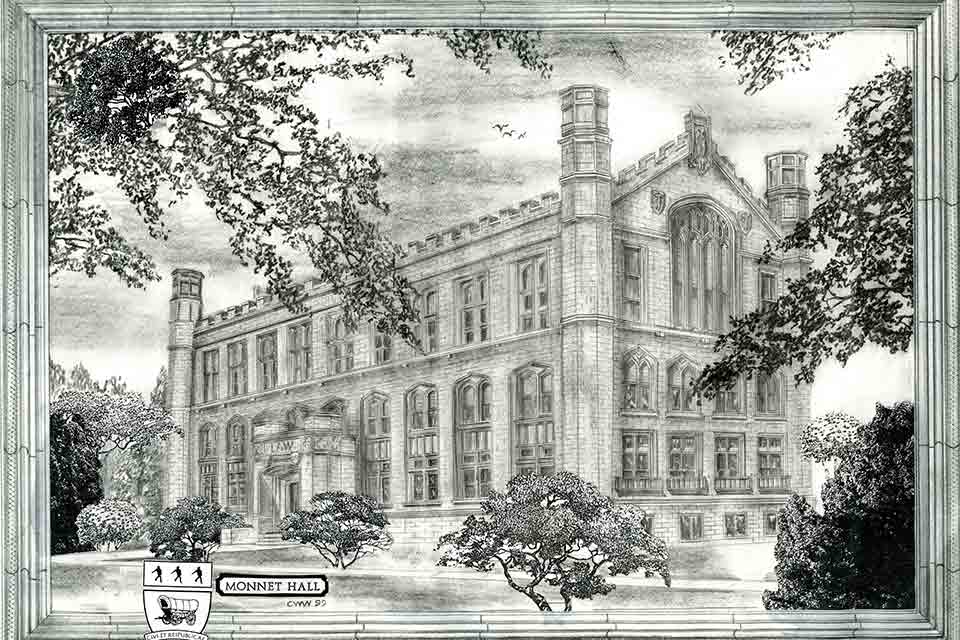
Now celebrating one hundred years of continuous publication, World Literature Today magazine has been recognized by the Nobel Prize committee as one of the “best edited and most informative literary publications” in the world. Its work continues in Monnet Hall on the OU campus, its home since 1977.